Running Desert Horses Print






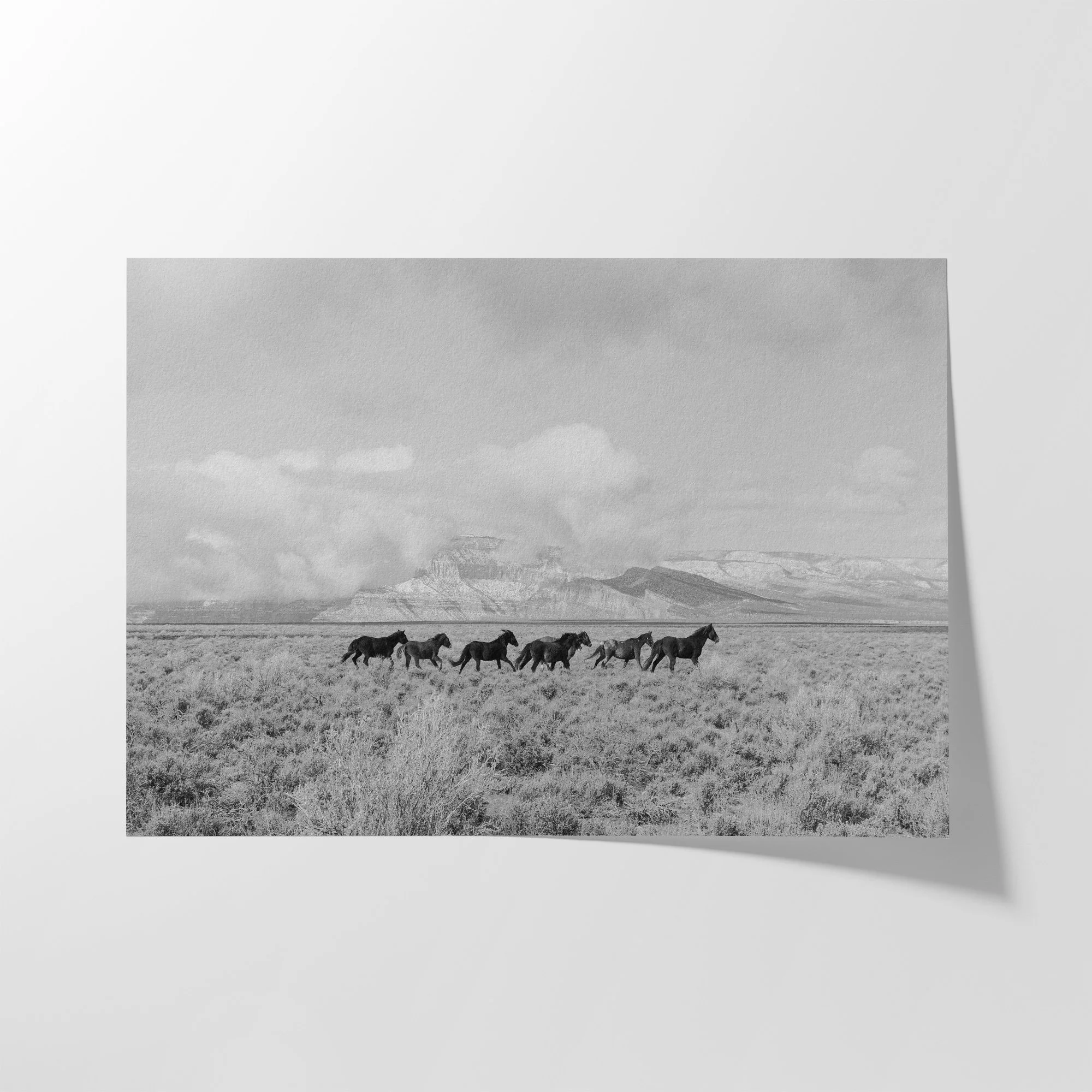

Running Desert Horses Print
Navajo Indian Reservation
Land Acknowledgement
We recognize the unique and enduring relationship that exists between Indigenous people and their traditional territories. This photograph was made on the ancestral homelands of the Pueblo, Southern Paiute, Ute, Hopi, and Navajo Tribes.
Print Details
• Cold Press Textured Matte Fine Art Paper
• 340 gsm, 21 mil paper weight
• Giclee Printing Method
• Matte Finish
• Acid-free
Frame Details
Solid wood frame with optical-grade clear acrylic front protector. Available in natural, black, white, gold, espresso. All framed prints have kraft paper backing and hanging hardware installed. The print goes to the edge of the frame (reach out if you would like a mat).
Width & Depth
• 0.875″ w x 0.875″ d (natural), 0.75″ w x 1.125″ d (black, white), 0.875″ w x 1.125″ d (gold, espresso) for 24x36in and smaller
• 1″ w x 2.25″ d (natural, black, white), 0.875″ w x 1.125″ d (gold, espresso) for 30x40in, 40x60in
Hanging Hardware
• Hanging wire installed for 24x36in and smaller
• Corner sawtooths installed for 30x40in, 40x60in
Scene Description
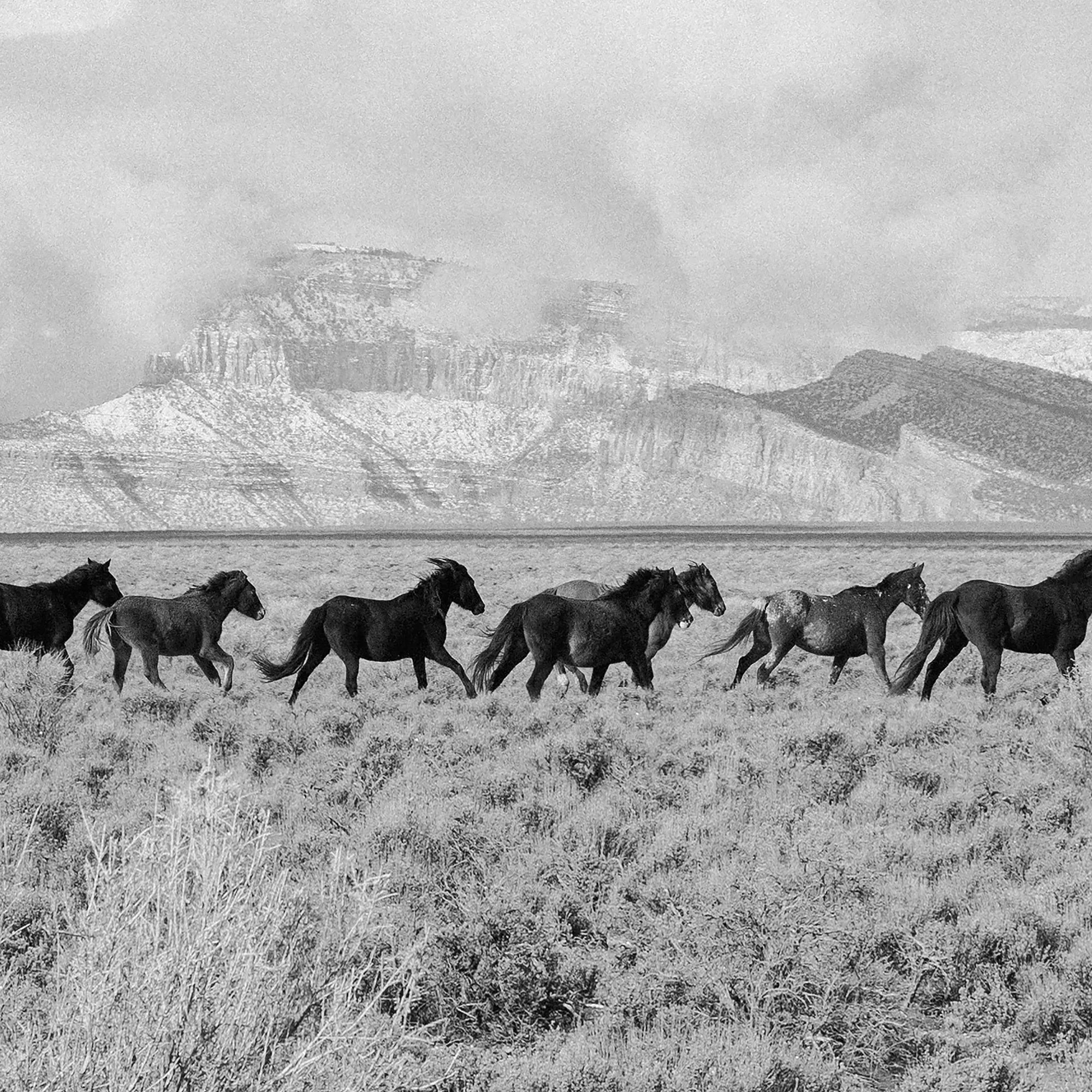
I’m hearing the dull thuds of horse hooves as they canter across a wide open, high desert landscape in northern Arizona. With a sense of urgency, I raise my camera to my left eye, look through the viewfinder and press the shutter button in rapid succession. There are seven horses, moving across the composition from left to right through rubber rabbitbrush and burro grasses that grow out of the sandy desert floor. Beyond the horses is the Kaibab Plateau, partly obscured by clouds and rising in elevation of over 8,000 feet. Above the plateau is a partly cloudy sky.
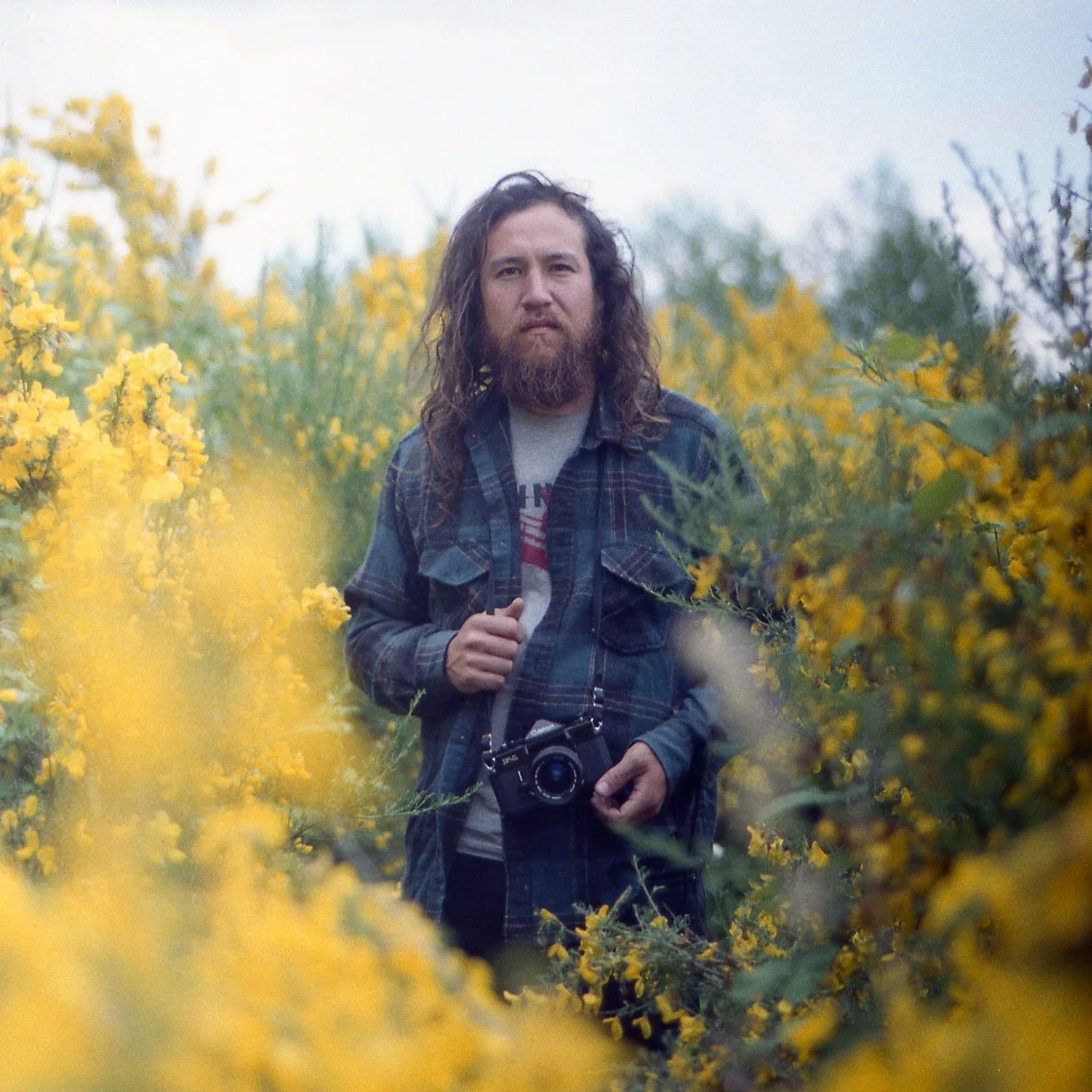
About the artist
Kevin Russ was born and raised along California’s Central Coast. He later moved north to Oregon, where he briefly attended college before moving into his 2003 Chevy Blazer to pursue landscape photography full time.
In 2013, early in his landscape work, his photographs drew national attention when The Atlantic described him as “iPhone’s Ansel Adams” a distinction that quickly set his work apart in the emerging world of mobile photography. In the years that followed, Russ expanded into film photography while taking on assignments with major brands including Nat Geo Wild, Icelandair, Nestlé Waters, and Timberland.
Today, his work has settled into a quieter, more reflective rhythm. He spends much of his time in the deserts and mountains of the American West, photographing at a slower pace, in pursuit of capturing the timelessness of the American West.